Popular Golf 4 GTI Features for Classic Car Ownership
Unleash Performance: Upgrade Your Golf 4 GTI Engine Today
Upgrading the Golf 4 GTI engine can greatly enhance its capabilities. By concentrating on key modifications, drivers can witness improved acceleration and quick reaction. Essential components like turbochargers and thermal management units play an important role in this transformation. However, the process necessitates meticulous planning of multiple performance configurations and maintenance practices. Understanding these elements is critical for optimizing results and maintaining dependability. What choices will lead to the ultimate driving experience?
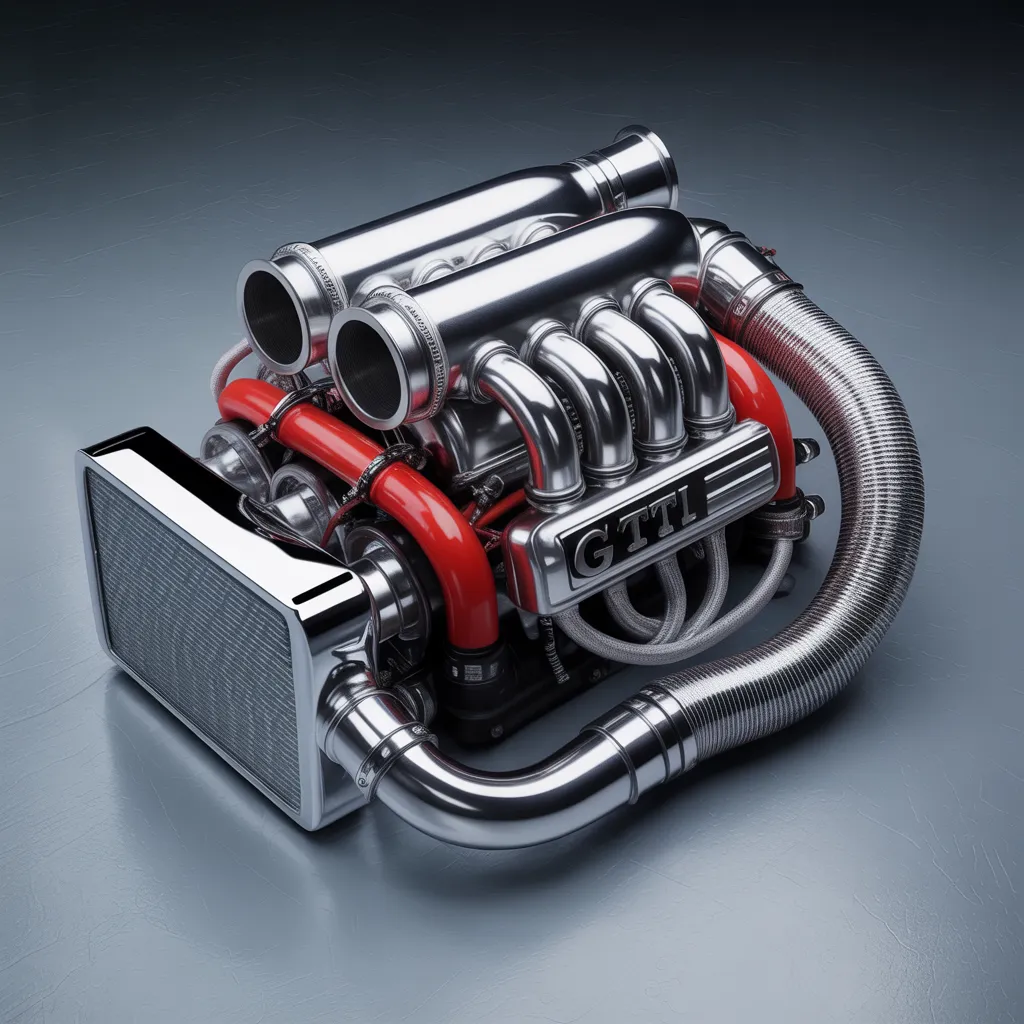
Strong Arguments to Improve Your Golf 4 GTI Engine for Better Performance
Boosting the motor of a Golf 4 GTI affords a persuasive opportunity for enthusiasts pursuing enhanced achievement. Many operators target bettering pace, responsiveness, and overall driving experience. The stock engine, while proficient, may not fully satisfy the yearnings of performance-oriented participants. An engine upgrade can cause amplified thrust and strength, making the vehicle more exhilarating to drive.
Additionally, technological breakthroughs allow for more efficient fuel consumption, ensuring that enhanced power does not compromise practicality. Upgraded powerplants can also deliver a more engaging sound, adding to the excitement of driving. Furthermore, a tuned engine may refine the car's handling traits, allowing for a more dynamic driving experience on both roads and tracks. In the end, upgrading the Golf 4 GTI engine not only elevates performance but also deepens the joy of ownership for enthusiasts who crave excitement behind the wheel.
Leading Engine Modifications for Ultimate Power
Maximizing engine power in a Golf 4 GTI engine involves a careful approach of modifications that boost capability without sacrificing reliability. One effective upgrade is upgrading the turbocharger, which can substantially boost airflow and boost pressure, resulting in enhanced horsepower. Additionally, installing a high-performance intercooler helps keep optimal heat levels, enhancing performance during intense acceleration.
An additional crucial upgrade is a performance exhaust system, which diminishes back pressure and enables for improved engine breathing. Pairing this with a remapped ECU can improve fuel delivery and ignition timing, tapping into the engine's full potential.
Upgrading the intake system also plays a critical role, as a high-flow air filter increases airflow, contributing to better combustion. Finally, reinforcing the engine internals, such as upgraded pistons and connecting rods, ensures durability under elevated power levels. Collectively, these modifications create a balanced approach to achieving maximum power from the Golf 4 GTI engine.
Top High-Performance Parts to Improve Your GTI's Performance
To improve the performance of a Golf 4 GTI, multiple important components can substantially enhance power output. Upgrading the turbocharger, enhancing the exhaust setup, and utilizing advanced ECU tuning options are proven methods. Each of these modifications can lead to noticeable gains in power and the general driving feel.
Turbocharger Boosts
Turbocharger improvements represent a pivotal upgrade for the Golf 4 GTI, unlocking substantial performance potential. By augmenting the amount of air and fuel entering the combustion chamber, these enhancements significantly increase horsepower and torque. High-performance turbochargers, such as larger or hybrid options, offer enhanced spool times and boost levels, allowing quicker acceleration and improved throttle response. Additionally, upgraded turbochargers often come with advanced cooling systems, which help maintain ideal engine temperatures under load. This not only preserves engine longevity but also guarantees consistent performance during spirited driving. Enthusiasts can also benefit from tuning their engine management systems to maximize the advantages of these turbocharger improvements, ensuring their Golf 4 GTI performs at its peak throughout various driving conditions.
Exhaust System Enhancements
Modifying the exhaust system is a vital step in enhancing the performance of the Golf 4 GTI. A premium exhaust system can greatly boost airflow, minimizing back pressure and permitting the engine to function more freely. This improvement leads to increased horsepower and torque, providing a more dynamic driving experience. Aftermarket options often include larger diameter pipes, high-flow catalytic converters, and performance mufflers, all created to optimize exhaust flow. Additionally, these systems can offer a more aggressive exhaust note, appealing to enthusiasts desiring a sportier sound. Brands like Milltek, APR, and Borla are popular choices among GTI owners, known for their durability and performance benefits. Ultimately, an upgraded exhaust system is essential for maximizing the GTI's potential.
ECU Tuning Approaches
Optimizing the exhaust setup creates opportunities for further engine improvements, especially through ECU tuning options. ECU tuning enables the recalibration of the engine management system, fine-tuning fuel maps, ignition timing, and boost pressure. This approach maximizes the full potential of the Golf 4 GTI’s engine, resulting in increased horsepower and torque. Common tuning methods include piggyback systems, standalone ECUs, and reflash options, each offering distinct advantages. A thorough ECU tune can also enhance throttle response and increase fuel efficiency. Car enthusiasts often pursue custom tunes adapted to specific modifications, ensuring that all performance parts work seamlessly together. Ultimately, ECU tuning constitutes a crucial step in converting the GTI into a powerful machine.
Deciding Between ECU Remapping and Piggyback Modification
When considering the best strategy to boosting performance in a Golf 4 GTI, one must evaluate the merits of ECU remapping versus piggyback tuning. ECU remapping involves directly modifying the vehicle's engine control unit (ECU) software. This strategy permits for thorough tweaks to fuel mapping, ignition timing, and boost levels, often delivering significant performance gains. However, it necessitates skilled technicians and can be unchangeable.
On the other hand, piggyback tuning adds an external module that intercepts and modifies signals between the ECU and engine components. This approach is generally simpler to set up and can be removed without leaving lasting changes. While it provides adaptability and a minimally intrusive alternative, it may not achieve the same depth of tuning as remapping.
Ultimately, the decision between these two options is based on the owner's performance goals, financial plan, and willingness to modify the vehicle's existing infrastructure.
Tips for Preserve Power and Gas Mileage Following Modifications?
After upgrading a Golf 4 GTI, attaining an ideal equilibrium between output and fuel consumption requires thorough examination of engine tuning strategies and the picking of upgraded parts. Additionally, driving patterns play a essential function in influencing fuel efficiency and general vehicle performance. Understanding these variables can assist drivers optimize their modifications while reducing fuel expenditure.
Engine Tuning Approaches
Striking equilibrium between motor output and gas efficiency in a Golf 4 GTI after motor upgrades calls for meticulous tuning. Quality motor adjustment emphasizes modifying full article air-fuel ratios, ignition advance, and turbo levels to accomplish target output while retaining fuel economy. Leveraging a robust engine management system facilitates exact modifications customized to the unique upgrades applied. Furthermore, conducting a dyno test can provide valuable information, aiding optimization of settings according to actual performance figures. It's vital to monitor exhaust heat and knock sensors to prevent motor damage while increasing power. Understanding the connection between extra performance and gas use is paramount; accordingly, gradual adjustments and testing can yield an perfect equilibrium, confirming that fans enjoy both performance and economy in their modified Golf 4 GTI.
Performance Parts Alternatives
Choosing the optimum performance parts for a Golf 4 GTI significantly affect both power output and fuel economy. Enthusiasts must balance carefully boosting performance and keeping efficiency intact. Essential upgrades include the intake system, exhaust, and engine management software. A high-flow air filter can boost airflow, while a sport exhaust system minimizes back pressure, increasing horsepower without sacrificing fuel efficiency. Moreover, going for a remapped ECU optimizes fuel delivery and ignition timing, delivering a efficient mix of power and efficiency. The selection of lightweight wheels and tires also improves handling and decreases rolling resistance, enhancing overall performance without hurting fuel economy. Thoughtful part choices provide an exciting driving experience while keeping fuel consumption balanced.
Driving Patterns Shape Outcomes
Mastering driving techniques plays a vital role in optimizing both power and fuel economy after upgrading a Golf 4 GTI engine. Drivers can improve performance by implementing smoother acceleration techniques and maintaining steady speeds, which lowers fuel consumption. Rapid acceleration and aggressive braking tend to eliminate fuel economy benefits obtained from engine upgrades. Additionally, utilizing higher gears at appropriate speeds can enhance engine efficiency without compromising power. Regularly monitoring tire pressure and maintaining proper vehicle weight further enhances improved fuel efficiency. Ultimately, comprehending the vehicle's power band allows drivers to harness upgrades effectively, ensuring a balance between spirited driving and economical operation. By improving these habits, drivers can enjoy both enhanced performance and economical fuel usage.
Maintenance Tips for Your Upgraded GTI Engine
Maintaining an upgraded GTI engine demands a preventive approach to guarantee peak performance and longevity. Routine oil changes are vital, as high-output engines create more heat and stress, calling for the use of top-tier synthetic oil. Checking the coolant levels and verifying the cooling system is working at its optimum can stop overheating and engine deterioration.
Moreover, air filters ought to be inspected and swapped out frequently to guarantee optimal air circulation, which proves critical for engine performance. Spark plugs require examination to maintain efficient combustion; upgrading to high-performance spark plugs can additionally boost engine power.
Systematic evaluations of the fuel system, including fuel injectors and pumps, will identify complications that could impact performance. Lastly, maintaining tire pressure and alignment contributes to overall handling and efficiency, finishing the care regimen for an upgraded GTI engine. By adhering to these care instructions, devotees can experience the full advantages of their engine upgrades.
Common Questions Asked Often
How much will you spend to improve a Golf 4 GTI mechanical unit?
Upgrading a Golf 4 GTI engine typically costs between $1,500 to $5,000, depending on the selected components and labor. Enthusiasts often compare performance benefits against the financial commitment, taking into account both immediate and long-term gains.
Does Upgrading Invalidate My Coverage on the Golf 4 GTI?
Upgrading the Golf 4 GTI engine typically nullifies the manufacturer's warranty. However, the exact impact on warranty coverage may differ based on the dealer and particular upgrades, so it's advisable to speak with them beforehand.
What Is the Ideal Fuel Type for an Upgraded Engine?
The optimal fuel option for an upgraded engine is usually premium gasoline, as it improves performance and stops knocking. This choice improves power output and fuel efficiency, ensuring the engine performs effectively under increased demands.
What Is the Average Life Expectancy of Enhanced Engine Parts?
Enhanced engine parts usually last between 30,000 to 100,000 miles, contingent on quality, maintenance, and driving conditions. Consistent care and responsible driving can substantially lengthen the lifespan of these components, ensuring peak performance.
Can I Install Improvements Myself, or Should I Hire a Professional?
Upgrading engine parts may be a do-it-yourself task for experienced individuals, yet working with a specialist is advisable for those lacking expertise. Professional installation guarantees peak performance and reduces the risk of potential issues during the upgrade process.